

5th Ranger Battalion
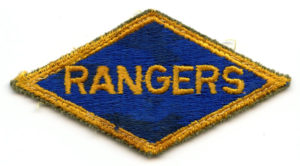
The US Army's 5th Ranger Battalion was activated in 1943 as part of the creation of specialized light infantry forces for commando-type operations, inspired by British units. After intensive training in the United States and the United Kingdom, the battalion was prepared for amphibious operations and close combat missions behind enemy lines.
The 5th Ranger Battalion saw its first major action during the Normandy landings on June 6, 1944, as part of Operation Overlord. Arriving on Omaha Beach, the battalion was used for missions to neutralize enemy positions, cover the flanks of the beaches, and support infantry forces in consolidating the beachheads. After the landing, it continued combat operations in the Normandy bocage, helping to secure roads and eliminate pockets of German resistance.
During the summer and fall of 1944, the battalion was engaged in the advance through France, participating in reconnaissance, rapid attack, and support operations for infantry and armored units. It took part in the Lorraine campaign, operating in fortified areas and in urban and semi-urban combat.
During the winter of 1944-1945, the 5th Ranger Battalion took part in missions as part of the Battle of the Bulge, operating in support of American lines and conducting reconnaissance and attack missions against German positions to contain the enemy offensive and secure counterattack routes.
In 1945, the battalion participated in the final offensive in Germany. It was engaged in operations in the Rhineland and central Germany, contributing to the reduction of pockets of resistance, the capture of cities, and the surrender of enemy forces until Germany's capitulation in May 1945.
The 5th Ranger Battalion's service record includes campaign credits for Normandy, Northern France, Lorraine, Ardennes-Alsace, Rhineland, and Central Europe. The battalion participated in all major phases of American ground operations on the Western Front, from the Normandy landings to the end of the war in Germany.