

Coast Artillery Corps
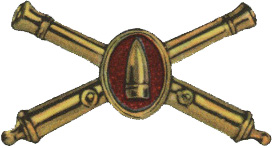
The United States Coast Artillery Corps was a branch of the U.S. Army responsible for defending coasts, ports, and strategic installations against naval and air attacks. During World War II, its role focused primarily on protecting U.S. coasts, waterways, and port facilities, as well as defending forward bases in the Pacific and Atlantic.
At the start of the conflict, the Coast Artillery Corps maintained large-caliber batteries, observation posts, and defense installations along the U.S. coastline, particularly on the Atlantic, Pacific, and Gulf of Mexico coasts. It was responsible for monitoring and protecting ports, arsenals, and strategic depots from enemy incursions, including German submarines operating along the East Coast.
In the Pacific, certain units of the Coast Artillery Corps were deployed on strategic islands to protect naval bases, airfields, and maritime communication routes. They installed fixed batteries and firing positions, participating in defensive preparations before and during American offensives in island campaigns. The Corps also oversaw the training and organization of coastal defense units and battalions specializing in heavy and anti-aircraft artillery.
During the war, the Coast Artillery Corps also participated in the operation of anti-aircraft batteries and the integration of radar systems to improve coastal surveillance and defense. Some units were redeployed to reinforce defenses against air raids and to provide support for amphibious operations, particularly in areas where naval and ground forces were exposed to enemy attacks.
After the end of hostilities in 1945, the Coast Artillery Corps was gradually demobilized and integrated into other branches of the military, as its coastal defense missions became less and less necessary with the end of the war and the decline of the traditional naval threat.
The United States Coast Artillery Corps' service record during World War II includes protecting the US coastline, ports, and strategic installations; supporting forward bases in the Pacific and Atlantic; and organizing anti-aircraft defense and coastal batteries. Although it was not engaged in major offensive combat, it contributed to the security of American installations and lines of communication throughout the conflict.